How to choose a pickleball paddle
Seven things decide how a paddle plays: the shape, the swing weight, the twist weight, the core, the face, the grip, and the price. This guide explains each one with lab numbers. Then it gives picks for each type of player.
The short answer
Find your type of player. The right column tells you what to look for. Each name links to our picks.
| You are | Look for |
|---|---|
| Your first paddleNew players, level 2.0 to 3.0 | A 16 mm core, a stable face, and a price of $100 or less. |
| More powerPlayers who want faster drives and put-aways | A high ball speed in the lab test. Do not use the core thickness as the sign of power. |
| More spinPlayers who roll, dip, and shape the ball | A high spin number in the lab test. |
| Fast handsDoubles players who win at the kitchen line | A low swing weight, with a twist weight of 6.0 or more. |
| From tennisTennis players who want reach and a two-hand backhand | An elongated shape and a handle of 5.5 inches or more. |
| Soft game and controlPlayers who win with dinks, drops, and resets | A 16 mm core, a high twist weight, and a ball speed at or below the middle. |
| Arm or elbow painPlayers who want a softer, steadier paddle | A 16 mm core and a twist weight of 6.8 or more. Also a weight of 7.8 oz or more and a ball speed at or below the middle. |
| Small handsPlayers with glove size S or smaller | A grip of 4.125 inches or less. You can make a grip thicker with an overgrip, but not thinner. |
The seven things that change a paddle
They are in order of importance for most players. Each one shows what the lab numbers on DinkRack say.
Shape
The shape changes a paddle more than any other choice. A long, narrow face gives reach and leverage. A wide face gives a larger sweet spot and faster hands.
What the lab shows. Elongated paddles have a middle swing weight of 117 and a middle twist weight of 6.14. Wide body paddles have 109 and 7.02. Thus a wide body paddle is faster and more stable.
| Shape | Swing weight | Twist weight | Paddles measured |
|---|---|---|---|
| Elongated | 117 | 6.14 | 157 |
| Hybrid | 113 | 6.53 | 94 |
| Standard | 110 | 6.78 | 24 |
| Wide body | 109 | 7.02 | 74 |
The rule. New players and doubles players: start with a wide body or a hybrid shape. Choose an elongated shape when you want reach and you can swing it fast.
Swing weight
Swing weight shows how heavy the paddle feels when you swing it. It is not the same as the weight on a scale. A low swing weight is fast in hand battles. A high swing weight gives more plow through the ball.
What the lab shows. The swing weights on DinkRack go from 96 to 134. The middle is 114.
The rule. Below 110 is fast. Above 118 is heavy to swing. If you are not sure, stay near the middle.
Twist weight
Twist weight shows how well the paddle resists a turn when you hit the ball off-center. A high twist weight means a larger sweet spot and a steadier block.
What the lab shows. The twist weights on DinkRack go from 5.01 to 7.87. The middle is 6.40.
The rule. A new player gets the most help from a twist weight of 6.5 or more. You can also add lead tape to the sides to increase it.
Core thickness
Most paddles have a core of 14 mm or 16 mm. A thicker core holds the ball longer, so soft shots are easier to control.
What the lab shows. Many guides say that a thin core gives more power. Our lab numbers do not show a clear gain: 55.7 MPH for thin cores against 56.3 MPH for 16 mm cores.
| Core | Ball speed (MPH) | Twist weight | Paddles measured |
|---|---|---|---|
| 14 mm or less | 55.7 | 6.17 | 66 |
| 16 mm or more | 56.3 | 6.49 | 185 |
The rule. Choose 16 mm unless you know that you want the quicker, crisper feel of a thin core. For power, read the ball speed number, not the core thickness.
Face and spin
The face material and its texture put spin on the ball. The lab measures the spin in turns for each minute (RPM).
What the lab shows. Spin goes from 1,813 to 2,218 RPM, and the middle is 2,027 RPM. The top paddle has 22% more spin than the bottom paddle. Most paddles are near the middle.
The rule. Do not pay much more for spin alone. Your stroke changes the spin more than the paddle does.
Grip size and handle length
A grip that is too thick slows your wrist. A grip that is too thin makes you squeeze. A long handle gives room for a two-hand backhand.
What the data shows. Of the paddles with a listed grip, 48% are 4.2 to 4.3 inches, and 48% are 4.125 inches or less.
The rule. If you are between two sizes, choose the thinner grip and add an overgrip. For a two-hand backhand, choose a handle of 5.5 inches or more.
Price
The paddle prices on DinkRack go from $59.99 to $300. A higher price does not always buy better numbers.
What the lab shows. A paddle of $200 or more has 2.0% more spin and 1.1% more ball speed than a paddle under $100. The difference is small.
| Price | Ball speed (MPH) | Spin (RPM) | Twist weight | Paddles measured |
|---|---|---|---|---|
| Under $100 | 55.8 | 2,015 | 6.26 | 37 |
| $100 to $199 | 56.3 | 2,040 | 6.50 | 136 |
| $200 and up | 56.4 | 2,056 | 6.35 | 43 |
The rule. Spend $100 or less on a first paddle. Spend more when you know which number you want to change.
Picks for each type of player
A fixed rule on the lab numbers makes each list. A brand or a store cannot pay for a place. Each paddle is in stock at the last price check.
Your first paddle
New players, level 2.0 to 3.0
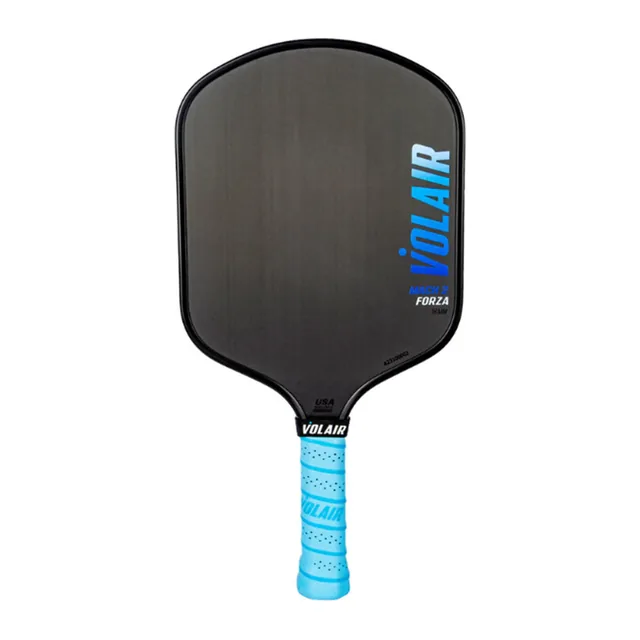 VolairMach 2 Forza 16mm$99.9916 mm core, widebody, 8 oz, grip 4.15 inSwing weight111Twist weight7.26Ball speed53.5 MPHSpin1,987 RPMSee the paddle 2
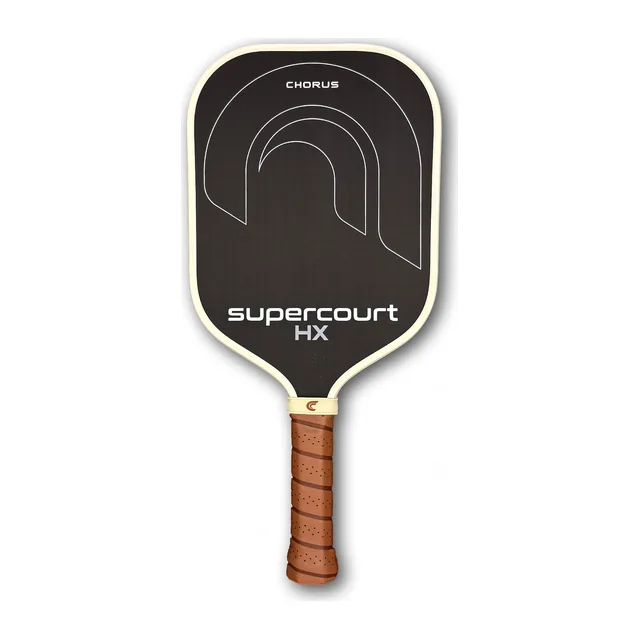 ChorusSupercourt HX 16mm$99.9916 mm core, hybrid, 7.8 oz, grip 4.25 inSwing weight115Twist weight6.80Ball speed56.0 MPHSpin1,969 RPMSee the paddle 3
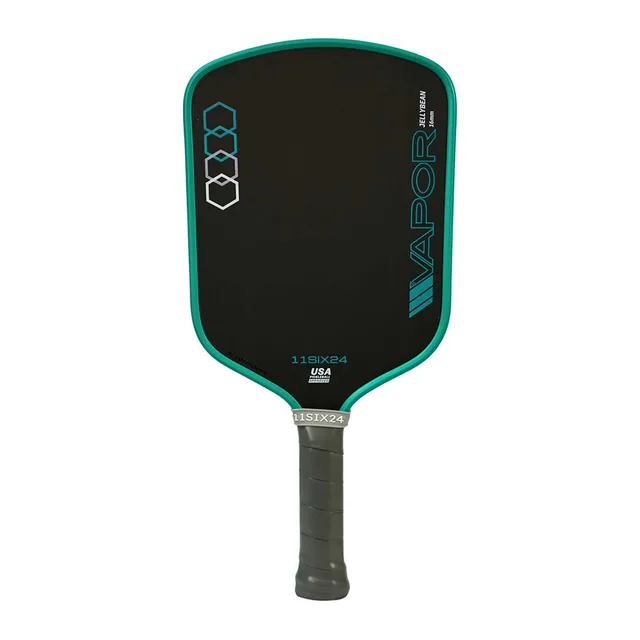 11SIX24Vapor Jelly Bean$8916 mm core, hybrid, 8.15 oz, grip 4.125 inSwing weight115Twist weight6.67Ball speed55.4 MPHSpin2,025 RPMSee the paddle
How we pick. Price of $100 or less, a core of 15.5 mm or more, and a twist weight of 6.5 or more. The highest twist weight is first.
More power
Players who want faster drives and put-aways
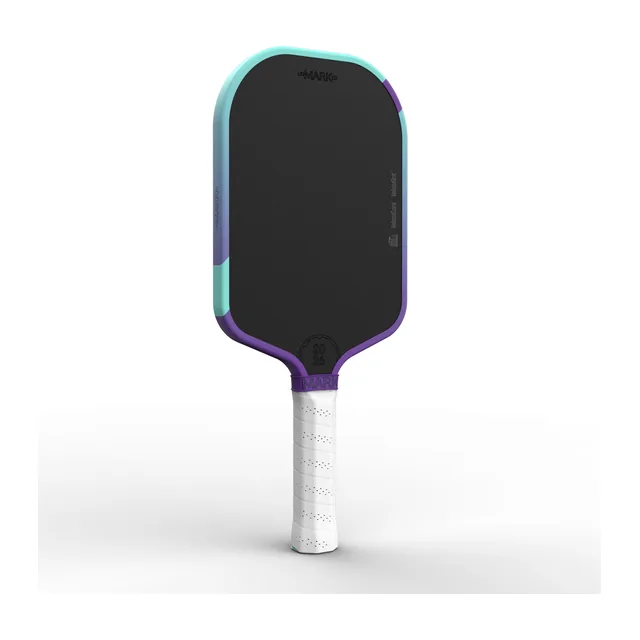 MarkUnMarked 2026 16mm$189.9916 mm core, elongated, 7.9 oz, grip 4.125 inSwing weight113Twist weight6.61Ball speed57.8 MPHSpin2,138 RPMSee the paddle 2
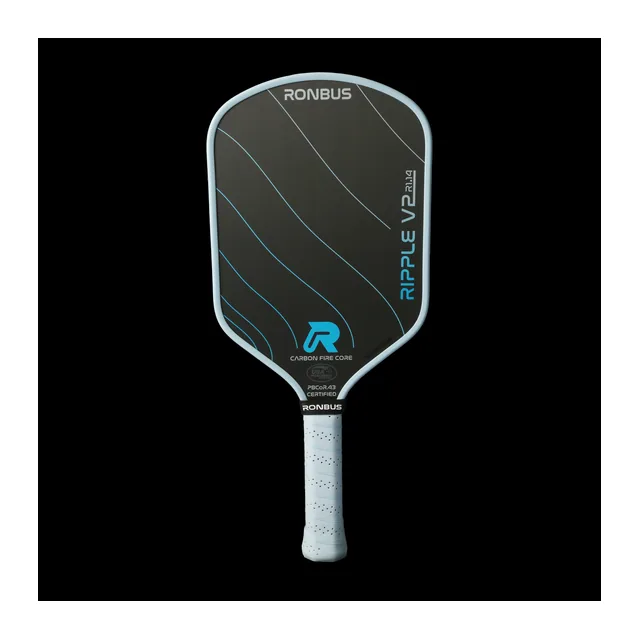 RonbusRipple V2 R1.14 14mm$99.9914 mm core, elongated, 8.2 oz, grip 4.125 inSwing weight128Twist weight5.88Ball speed57.6 MPHSpin2,023 RPMSee the paddle 3
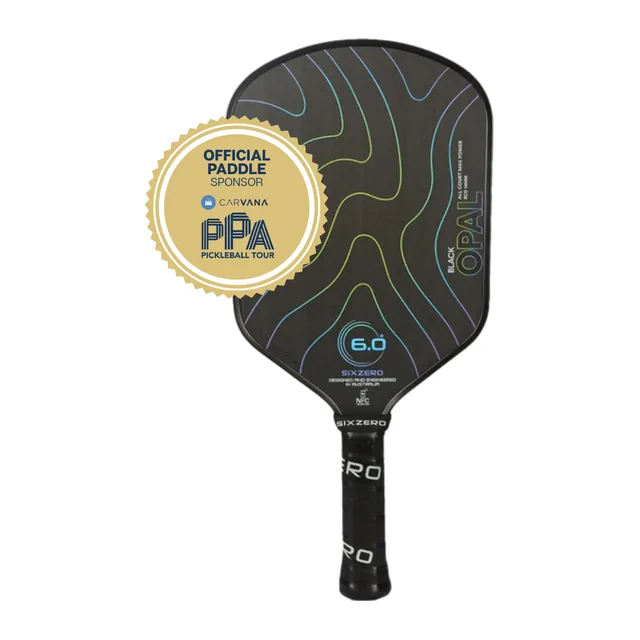 Six ZeroBlack Opal$220hybridSwing weight114Twist weight6.30Ball speed57.6 MPHSpin2,024 RPMSee the paddle
How we pick. The highest measured ball speed is first.
More spin
Players who roll, dip, and shape the ball
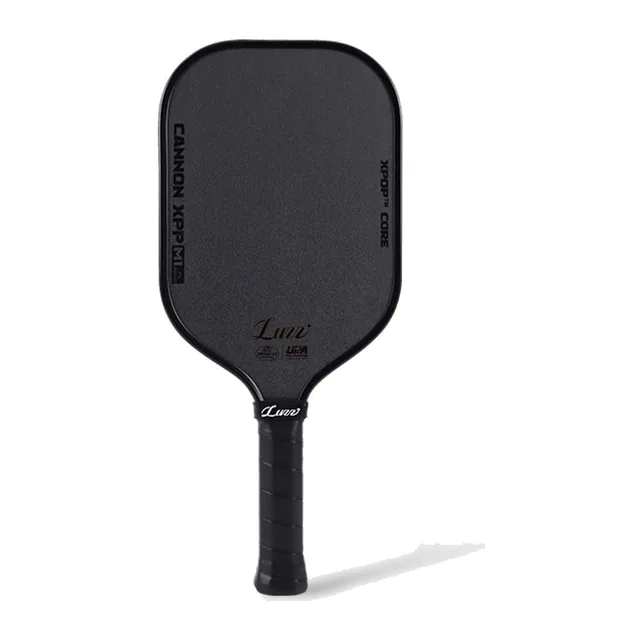 LUZZCannon XPP 16mm$17916 mm core, elongated, 8.1 oz, grip 4.125 inSwing weight122Twist weight6.23Ball speed56.8 MPHSpin2,218 RPMSee the paddle 2
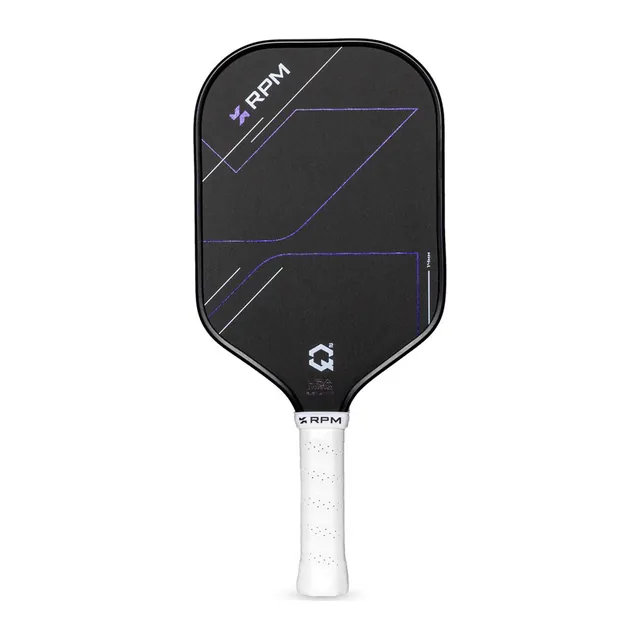 RPMQ2 Elongated$249.9914 mm core, elongated, grip 4.125 inSwing weight114Twist weight5.75Ball speed56.5 MPHSpin2,176 RPMSee the paddle 3
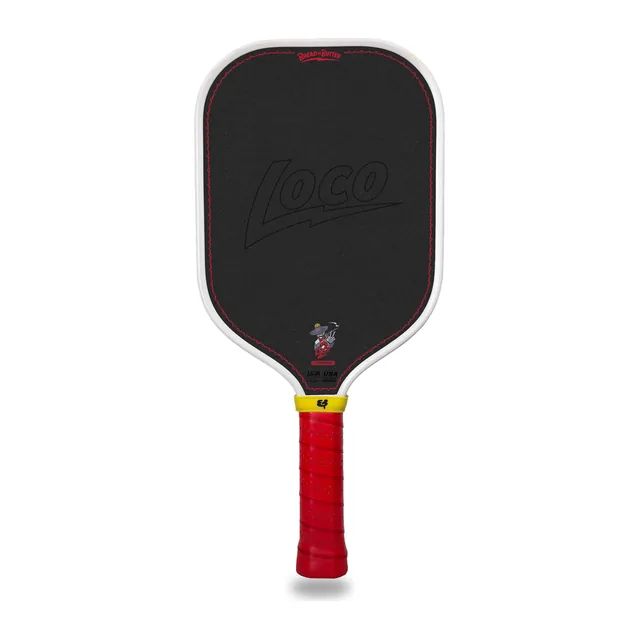 Bread & ButterLoco 2 Elongated 16mm$22016 mm core, elongated, 7.94 oz, grip 4.25 inSwing weight119Twist weight6.22Ball speed57.0 MPHSpin2,154 RPMSee the paddle
How we pick. The highest measured spin is first.
Fast hands
Doubles players who win at the kitchen line
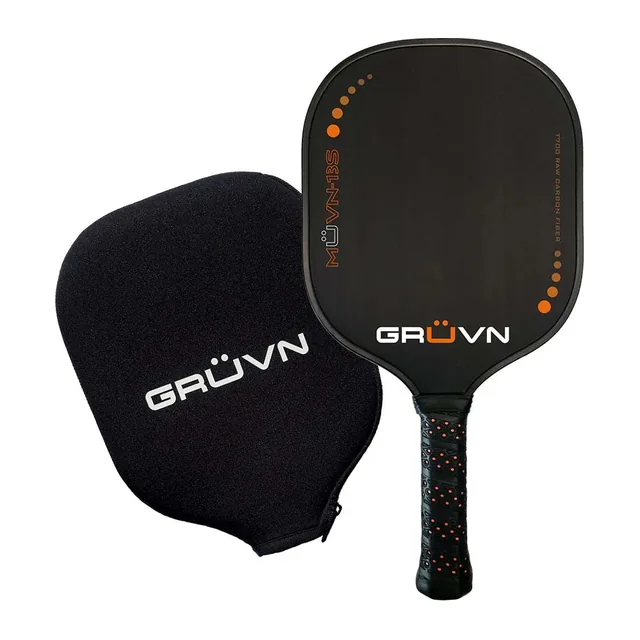 GRUVNMUVN-13S$79.5013 mm core, widebody, 8 oz, grip 4.125 inSwing weight100Twist weight6.40See the paddle 2
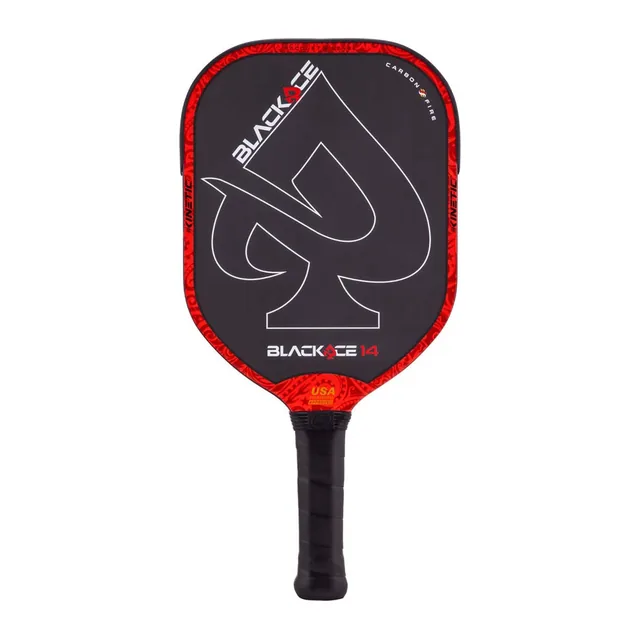 ProKennexBlack Ace 14$27914 mm core, standard, 7.9 oz, grip 4 inSwing weight102Twist weight6.57Ball speed54.9 MPHSpin2,042 RPMSee the paddle 3
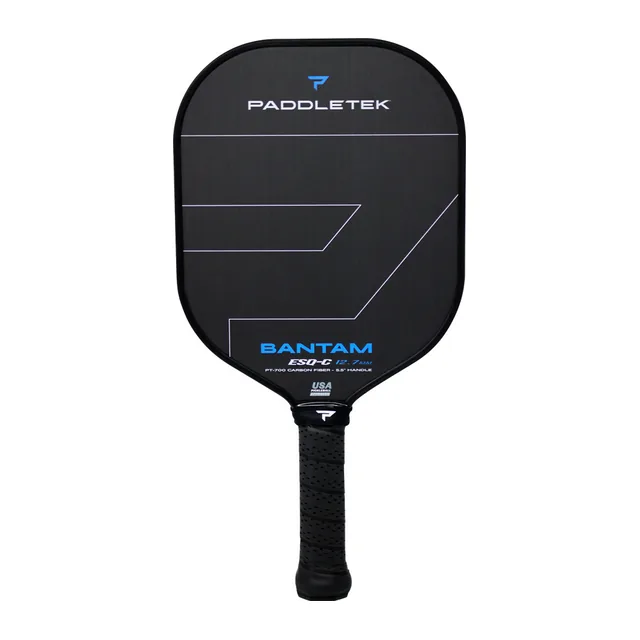 PaddletekBantam ESQ-C 12.7mm$199.9912.7 mm core, standard, 7.7 oz, grip 4.25 inSwing weight103Twist weight6.78Ball speed55.9 MPHSpin2,071 RPMSee the paddle
How we pick. A twist weight of 6.0 or more. The lowest swing weight is first.
From tennis
Tennis players who want reach and a two-hand backhand
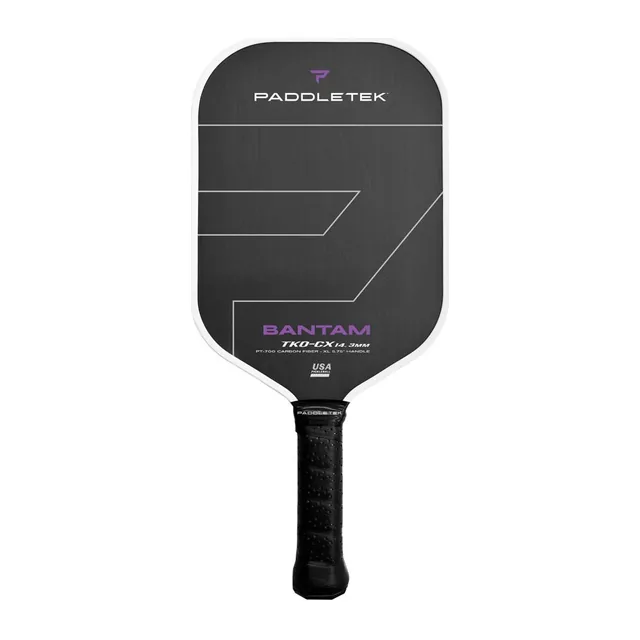 PaddletekBantam TKO-CX 14.3mm$199.9914.3 mm core, elongated, 7.9 oz, grip 4.25 inSwing weight123Twist weight7.35See the paddle 2
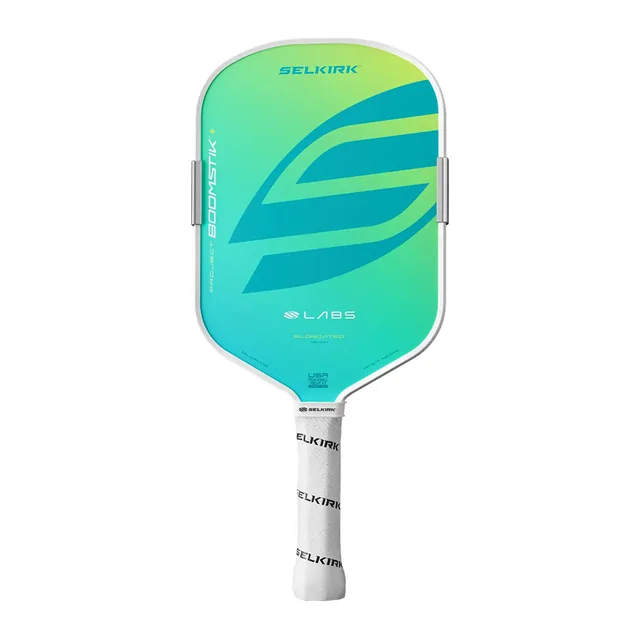 SelkirkLabs Project Boomstik Elongated 16mm$299.9916 mm core, elongated, 8.1 oz, grip 4.25 inSwing weight121Twist weight6.92Ball speed57.1 MPHSpin1,989 RPMSee the paddle 3
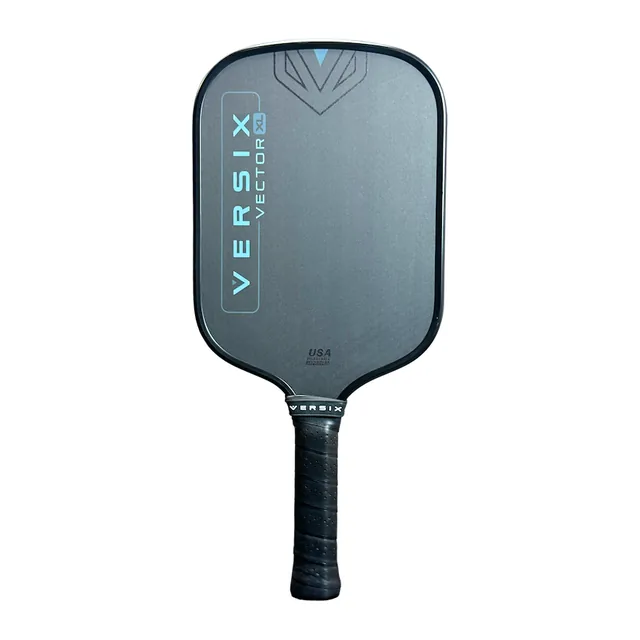 VERSIXVector XL$129.9915 mm core, elongated, 8.25 oz, grip 4.25 inSwing weight121Twist weight6.85Ball speed56.1 MPHSpin1,916 RPMSee the paddle
How we pick. Elongated shape and a handle of 5.5 inches or more. The highest twist weight is first, because this shape is the least stable.
Soft game and control
Players who win with dinks, drops, and resets
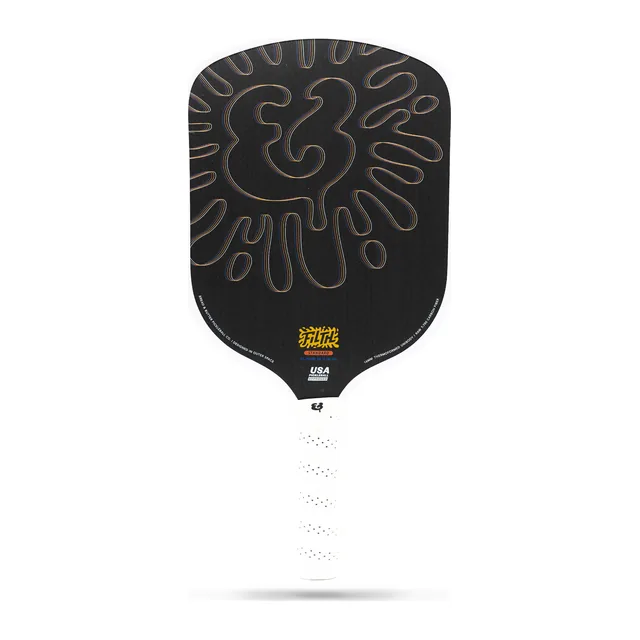 Bread & ButterFilth Standard 16mm$16516 mm core, widebody, 8.26 oz, grip 4.125 inSwing weight111Twist weight7.47Ball speed55.6 MPHSpin1,919 RPMSee the paddle 2
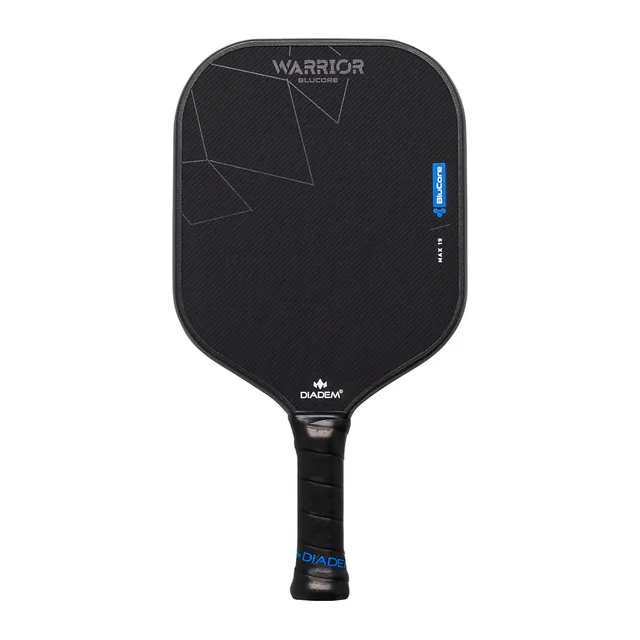 DiademBluCore Max 19mm$174.9719 mm core, widebody, 8.4 oz, grip 4.25 inSwing weight108Twist weight7.45Ball speed54.9 MPHSpin1,926 RPMSee the paddle 3
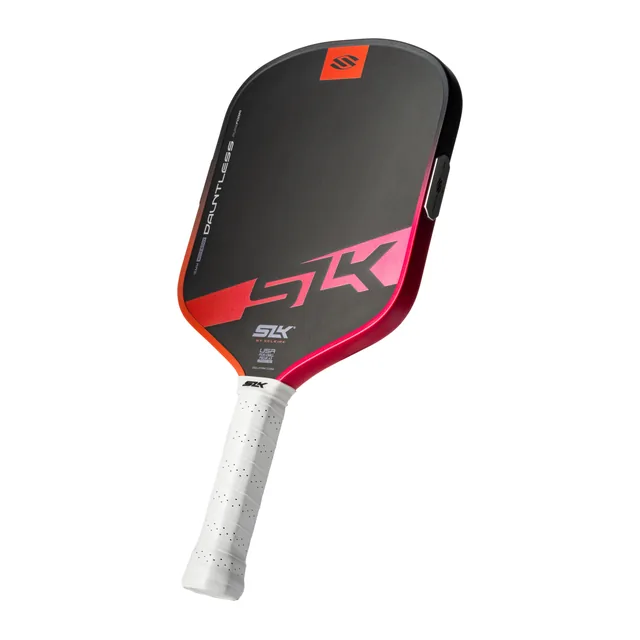 SelkirkSLK Dauntless Widebody 16mm$12016 mm core, widebody, 7.86 oz, grip 4.25 inSwing weight110Twist weight7.36Ball speed55.7 MPHSpin2,020 RPMSee the paddle
How we pick. A core of 15.5 mm or more and a ball speed of 56.3 MPH or less (the middle of our picks). The highest twist weight is first.
Arm or elbow pain
Players who want a softer, steadier paddle
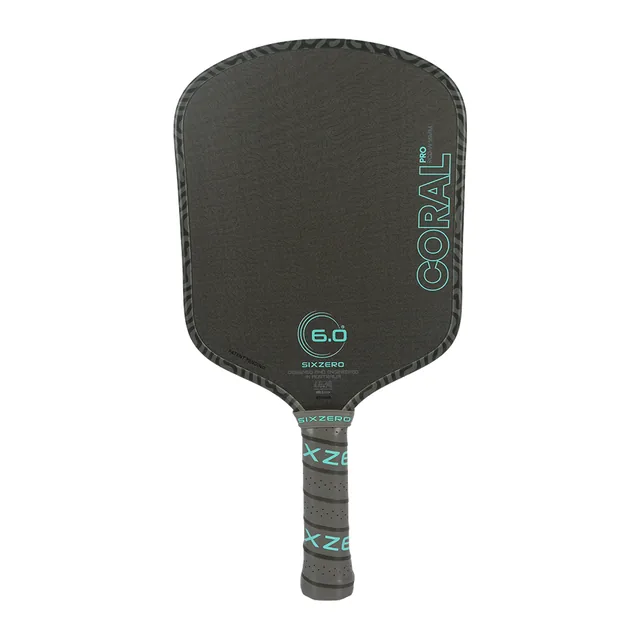 Six ZeroCoral Pro Widebody$22016 mm core, widebody, 8.15 oz, grip 4.05 inSwing weight108Twist weight7.26Ball speed56.2 MPHSpin2,079 RPMSee the paddle 2
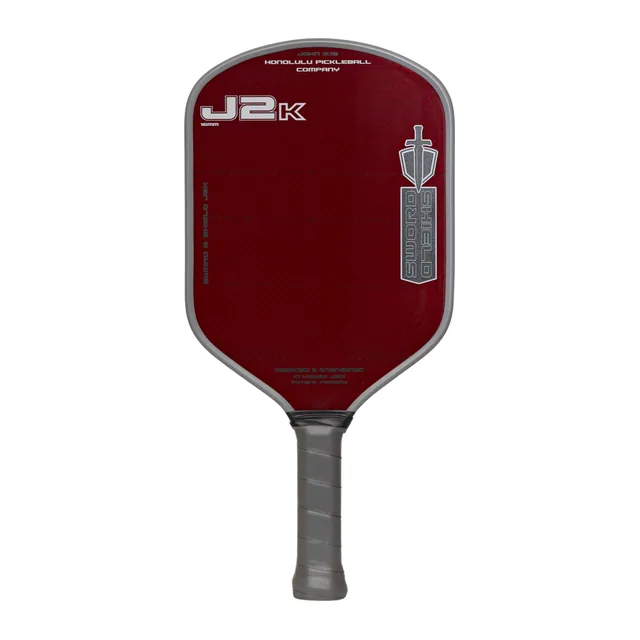 Honolulu PickleballSword & Shield J2K 16mm$15516 mm core, hybrid, 8.22 oz, grip 4.125 inSwing weight115Twist weight7.10Ball speed55.1 MPHSpin1,948 RPMSee the paddle 3
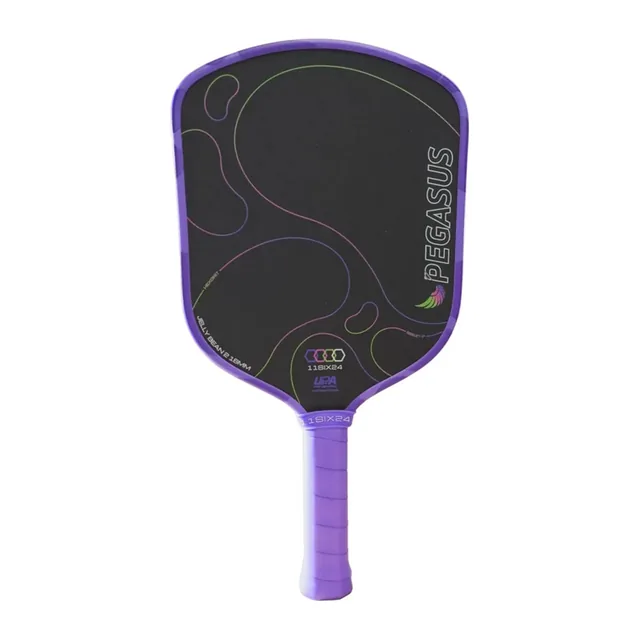 11SIX24Pegasus Jelly Bean 2$169.9916 mm core, widebody, 8.15 oz, grip 4.125 inSwing weight107Twist weight7.03Ball speed55.7 MPHSpin2,111 RPMSee the paddle
How we pick. A core of 15.5 mm or more and a weight of 7.8 oz or more. A twist weight of 6.8 or more and a ball speed of 56.3 MPH or less. The highest twist weight is first. This is gear advice, not medical advice. Speak to a doctor about pain that stays.
Small hands
Players with glove size S or smaller
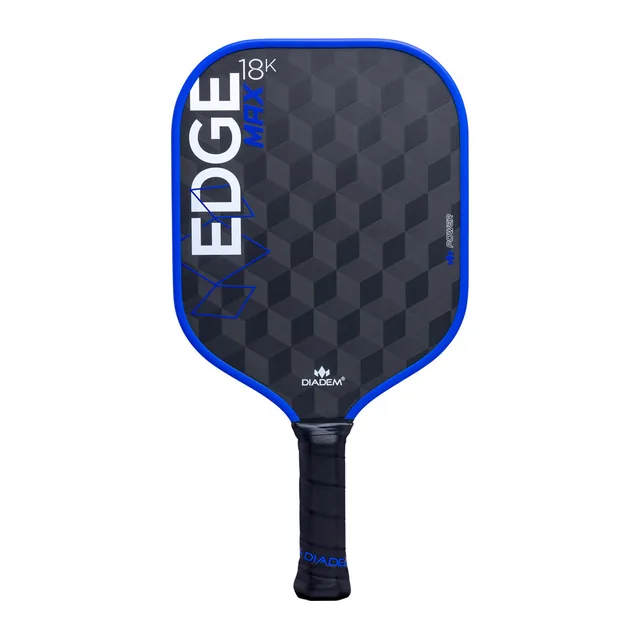 DiademEdge 18k Power Max$239.9516 mm core, widebody, 8 oz, grip 4.125 inSwing weight109Twist weight7.87See the paddle 2
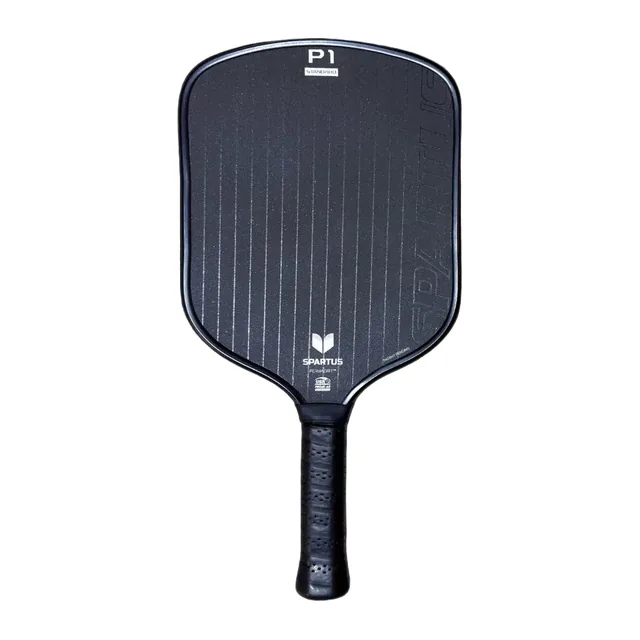 SpartusP1 Standard 16mm$219.9916 mm core, widebody, 8.15 oz, grip 4.125 inSwing weight112Twist weight7.33Ball speed56.4 MPHSpin2,080 RPMSee the paddle 3
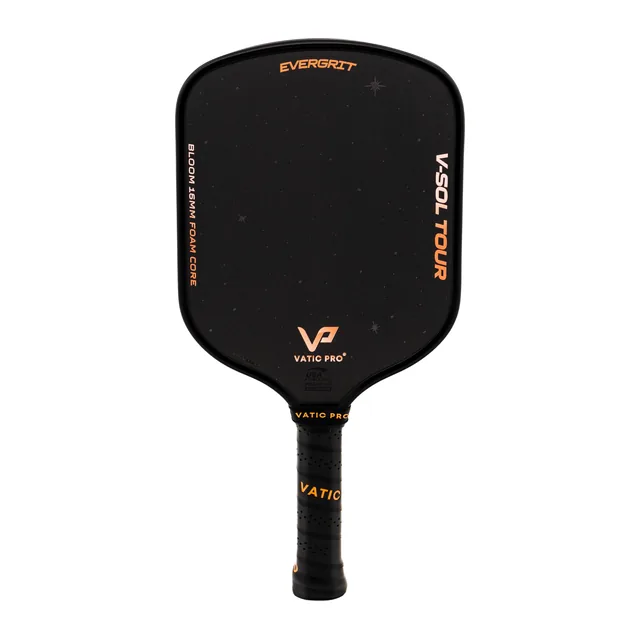 Vatic ProV-Sol Tour Bloom 16mm$109.9916 mm core, widebody, 8.1 oz, grip 4.125 inSwing weight110Twist weight7.23Ball speed56.8 MPHSpin2,108 RPMSee the paddle
How we pick. A grip of 4.125 inches or less. The highest twist weight is first.
Watch reviewers explain it
Each link opens the video on YouTube at the moment the reviewer talks about the subject. The opinions are the reviewers' own.
Swing weight and hand speed
- 6:50Hand speed and swing weightPickleball Studio on the Six Zero Double Black Diamond Control 16mm
- 4:57Swing weight and hand speedAll Drive No Drop Pickleball on the Six Zero Ruby 16mm
Sweet spot and stability
- 2:21Shape and sweet spotBriones Pickleball Academy on the Six Zero Double Black Diamond Control 16mm
- 8:17Sweet spot performancePickleball Studio on the Six Zero Double Black Diamond Control 16mm
Power
- 5:12Power on drivesPickleball Studio on the Six Zero Double Black Diamond Control 16mm
- 1:55Serve and punch speed testsAll Drive No Drop Pickleball on the Six Zero Ruby 16mm
Control and touch
- 6:35Dinks and resetsBriones Pickleball Academy on the Six Zero Double Black Diamond Control 16mm
- 2:30Control and touchPickleball Studio on the Six Zero Double Black Diamond Control 16mm
Weight and lead tape
- 9:08Lead tape setupBriones Pickleball Academy on the Six Zero Double Black Diamond Control 16mm
- 0:24Specs and weightPickleball Studio on the Six Zero Double Black Diamond Control 16mm
Five mistakes to avoid
- You buy by price. A high price does not make a paddle right for you. Read the price numbers above.
- You copy a pro. A pro's paddle fits a pro's swing. Most players do better with a faster, more stable paddle.
- You ignore the grip size. A wrong grip size changes each shot. Measure your hand before you order.
- You buy a thin core for power. Do not buy a thin core for power. In our lab numbers, thin cores are not faster than 16 mm cores.
- You do not check the approval. If you play tournaments, make sure that USA Pickleball approves the paddle.
Questions players ask
What core thickness is best for a new player?
A 16 mm core. Do not buy a thin core for power. In our lab numbers, thin cores are not faster than 16 mm cores.
What paddle shape must I choose?
A wide body shape is the most stable and the fastest in the hand. An elongated shape gives more reach but is harder to swing. The middle swing weight is 109 for wide body paddles and 117 for elongated paddles.
What is swing weight?
Swing weight shows how heavy a paddle feels when you swing it. A lower number is faster in the hand. The lab numbers on DinkRack go from 96 to 134, and the middle is 114.
What is twist weight?
Twist weight shows how well a paddle resists a turn on an off-center hit. A higher number means a larger sweet spot. The lab numbers on DinkRack go from 5.01 to 7.87, and the middle is 6.40.
Does a more expensive paddle have more spin or power?
Not much, in the lab. The middle paddle of $200 or more has 2,056 RPM of spin. The middle paddle under $100 has 2,015 RPM. Thus the price alone does not tell you how a paddle plays.
Do I need a USA Pickleball approved paddle?
Only for tournaments and leagues that use the USA Pickleball rules. For casual play, any paddle is permitted. Each paddle page on DinkRack shows the approval status.
How we made this guide
- The lab numbers come from the published paddle tests of Pickleball Effect. We compare lab numbers only with numbers from the same lab.
- The guide uses 349 paddles with a measured swing weight, 269 with a measured ball speed, and 268 with a measured spin.
- "Middle" means the median: half of the paddles are above it and half are below it.
- The prices are the lowest store price in stock at the last check. Check the store page before you buy.
- Lab numbers do not show feel, sound, or how long a paddle lasts. Demo a paddle when you can.
How we score paddles · How DinkRack earns money · Affiliate disclosure